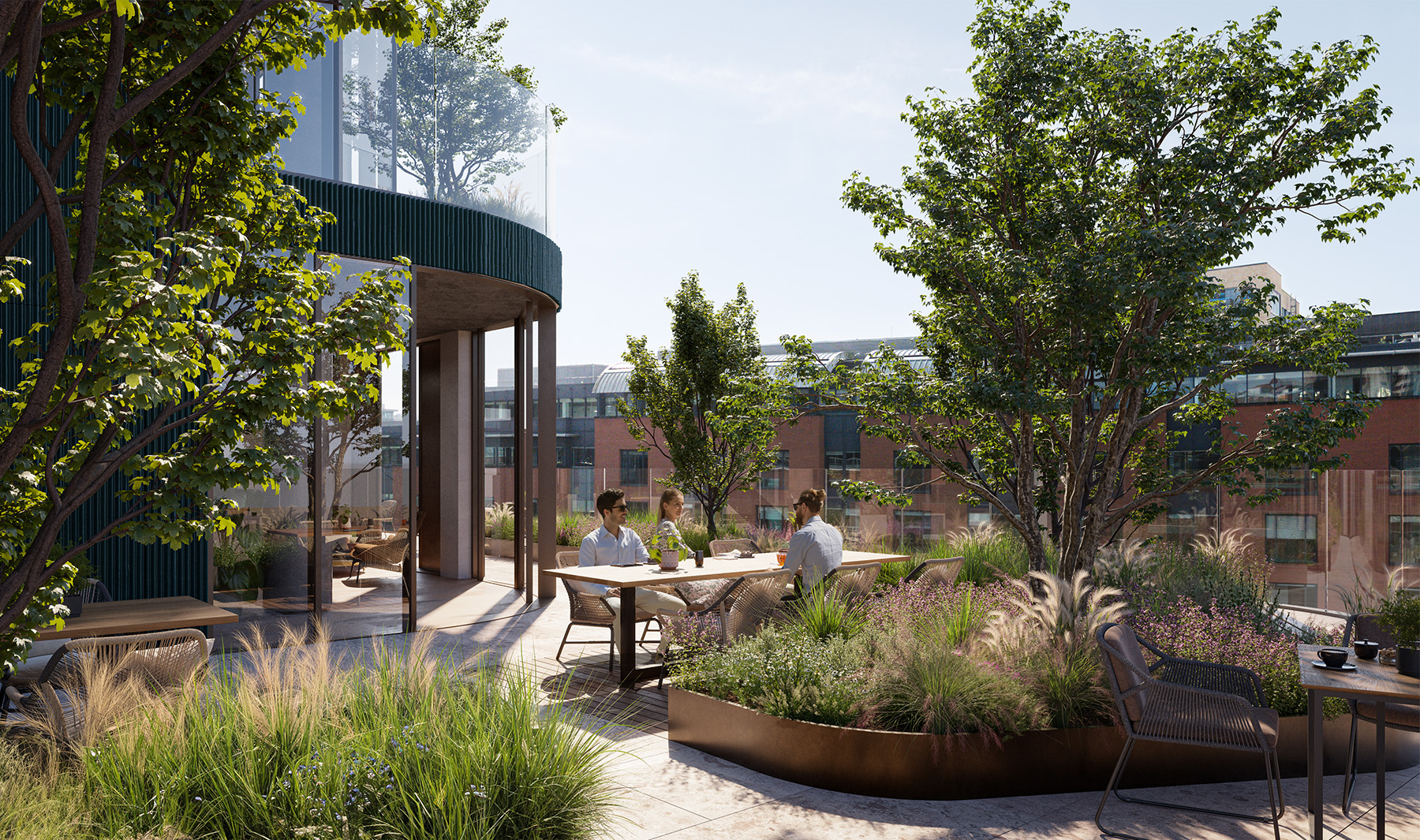
V7 have started on site at The Buckley Building. Farringdon's finest 90,000 sq ft office.
V7 have started on site at The Buckley Building. Farringdon's finest 90,000 sq ft office.
V7 have started on site at The Buckley Building. Farringdon's finest 90,000 sq ft office.
V7 have started on site at The Buckley Building. Farringdon's finest 90,000 sq ft office.
Insights | 13.03.25
Written by Adam Ozinsky, Georgie Andrews
Rethinking Circularity: In Conversation with Adam Ozinsky of GXN
In conversation with Adam Ozinsky, Senior Associate at GXN, we uncover the untapped potential of circularity in the built environment. As he puts it, “Too often, we treat sustainability as a zero-sum game—but it’s not. It’s a positive-sum game, where collaboration and success benefit everyone.”This article explores the mindset shifts needed to close information gaps, drive innovation, and align stakeholders toward shared sustainable goals.
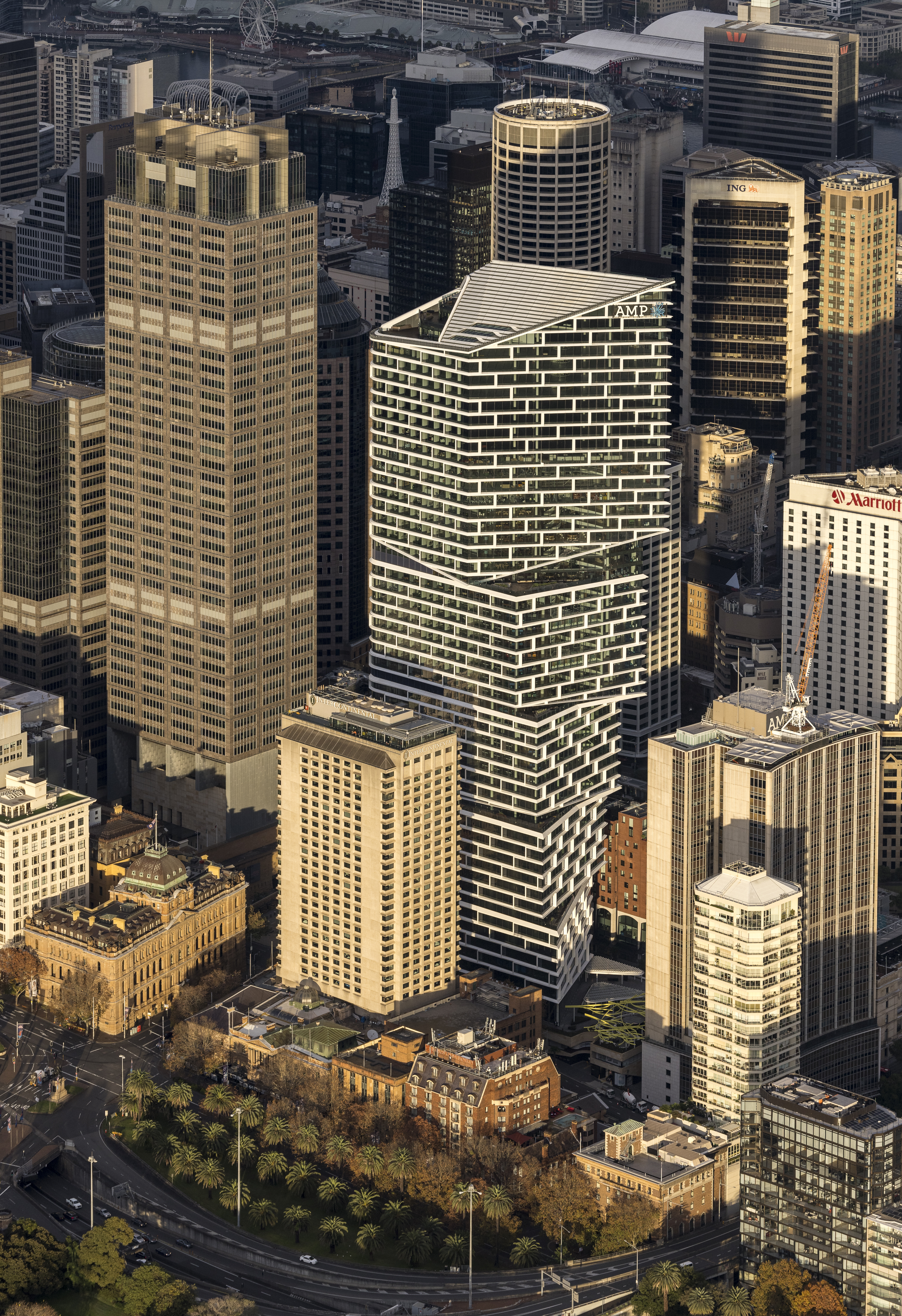
Image: 3XN GXN's transformation of the former AMP Centre building breathed new life into the old tower. Now named Quay Quarter Tower, the project retains over 65% of the existing AMP Center structure and 95% of the original core.
Adam: Absolutely. I’m a sustainability consultant at GXN, —a strategic consultancy founded by 3XN Architects, —where I focus on pushing the boundaries of circular design and material reuse in the built environment. Our goal is to shift the industry towards smarter, more sustainable practices that align with absolute planetary sustainability rather than just incremental improvements.
Adam: There’s no question that retrofitting and repositioning are powerful levers in reducing the construction industry’s environmental impact. The benefits are clear—avoided carbon emissions, reduced waste, and decreased reliance on raw materials, among others.
However, retrofit alone shouldn’t be a veil for sustainability. It’s a bit like plant-based food (from a health perspective, not an environmental one)—it sounds good, but it doesn’t automatically mean it’s healthy.
What we see is there is a tendency to jump to solutions before properly interrogating the issues at hand. We should ensure retrofitting isn’t just a default response, but a genuinely impactful strategy. The strongest projects are those that define their sustainability outcomes early on, so that retrofit becomes a means to achieving these outcomes, not the end itself.
This requires spending some time to ask the right questions and getting the brief right. Another important part is setting tailored sustainability KPIs, ones that measure absolute—not just relative—impact, and considering the broader positive contributions a scheme can make.
Adam: I think this is an unusual and much-needed stance. The inconsistency you point out stems from the sheer complexity of sustainability. Carbon, water, biodiversity—what’s good for one isn’t always good for another. And our understanding evolves faster than we design and build. Take concrete—our approach to cement replacements has shifted significantly in just a few years.
Another challenge is how we talk about sustainability. Oversimplified narratives and vague terms like ‘low carbon’ or ‘eco-friendly’ flatten nuance and make it harder to verify claims. Everyone claims to be ‘sustainable,’ (I’m yet to hear someone flip it!) but unless we define what that means in measurable terms, it loses its value.
So, how do we align? By being honest. I often joke that construction must be the only industry where no one has ever made a mistake. No project can tackle everything, and that’s okay. Instead of competing to appear as the most ‘sustainable,’ we should focus on what we can genuinely influence and communicate it clearly, tangibly, and transparently.
Adam: It’s a bugbear of mine. The problem with ‘carbon saved’ is that it’s hypothetical—based on assumptions about emissions that might have happened. ‘Carbon avoided,’ on the other hand, reflects tangible, measurable action—preventing emissions before they happen. It’s like shopping: if an item’s marked down from £200 to £150, you might say you ‘saved’ £50. But you’ve actually spent £150—that’s the real cost. This comes up a lot with retrofitting, where people claim retaining a structure “saves” emissions. We should instead focus on the emissions we’re still responsible for, not the hypothetical ones we avoided.
Adam: This is a good question, and it’s not just about innovation versus insurance. There’s an entire ecosystem of stakeholders, each with different interests, risk profiles, and concerns. At GXN, we’ve found that people don’t reject innovation because they dislike it—they reject it because it feels too risky, too novel, or too complex to implement. These are high-stakes decisions with serious financial and reputational consequences.
The challenge isn’t opposition to innovation—it’s perception of risk. Our role is to close the information gaps, making new ideas feel safe and doable. That means aligning stakeholders around shared goals, and providing the right data at the right time.
We also need to focus our innovation efforts. When it comes to carbon emissions, for example, most of the impact in commercial buildings comes from just a few key materials, like concrete and steel. If we narrow our research and validation on those key materials—our biggest carbon impact areas—we can make significant progress without spreading resources too thin.
By reframing technical challenges so that they are manageable, and ensuring we always have a tried and tested plan B, we can build trust and answer the right questions. This can help insurers – and the wider stakeholder ecosystem - get comfortable with innovation, and ultimately make it a safer, more attractive proposition for everyone involved.
Adam: Too often, we treat sustainability as a zero-sum game—but it’s not. It’s a positive-sum game, where collaboration and success benefits everyone. That means shifting our focus from isolated project wins to system-wide impact. We need to pool resources, share insights honestly, and move beyond relative improvements to absolute sustainability outcomes. If we get this right, we can quickly catalyse real, lasting change that benefits the industry and the planet at once.