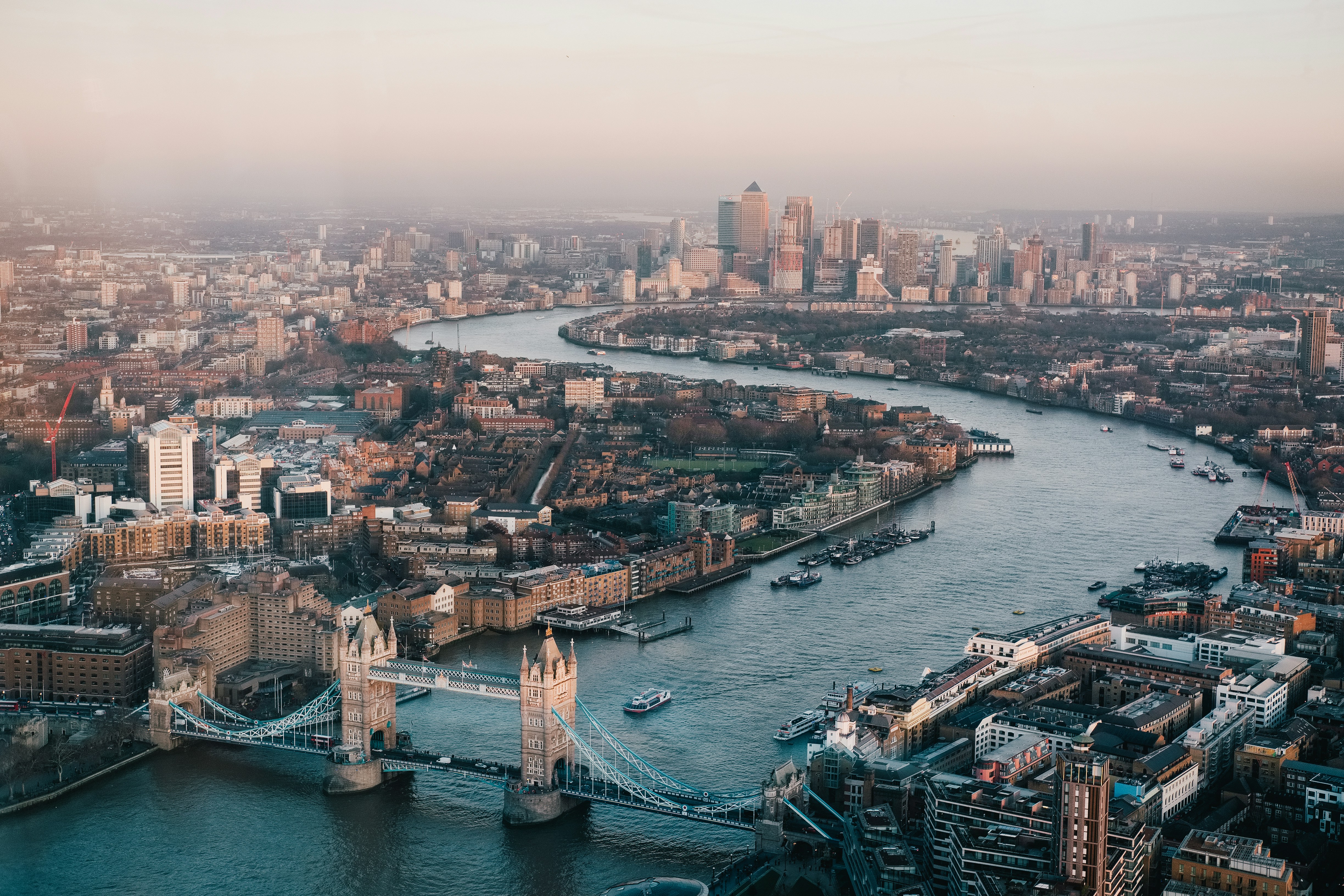
V7 have started on site at The Buckley Building. Farringdon's finest 90,000 sq ft office.
V7 have started on site at The Buckley Building. Farringdon's finest 90,000 sq ft office.
V7 have started on site at The Buckley Building. Farringdon's finest 90,000 sq ft office.
V7 have started on site at The Buckley Building. Farringdon's finest 90,000 sq ft office.
Insights | 02.10.24
Written by Gemma Griffin
From Grey to Green: How Landscape Architecture Shapes the Future of Cities
We’ve seen first-hand the transformative benefits that landscape enhancements to traditionally ‘hard’ spaces within urban settings can bring, with well-designed, green spaces having a significant impact on the way people engage with their environments.
The pandemic perhaps heightened our awareness of the benefits to both mental and physical health of engaging with the outdoors and nature, with landscapes providing much needed restorative spaces in our cities, where people can relax, exercise, socialise and play.
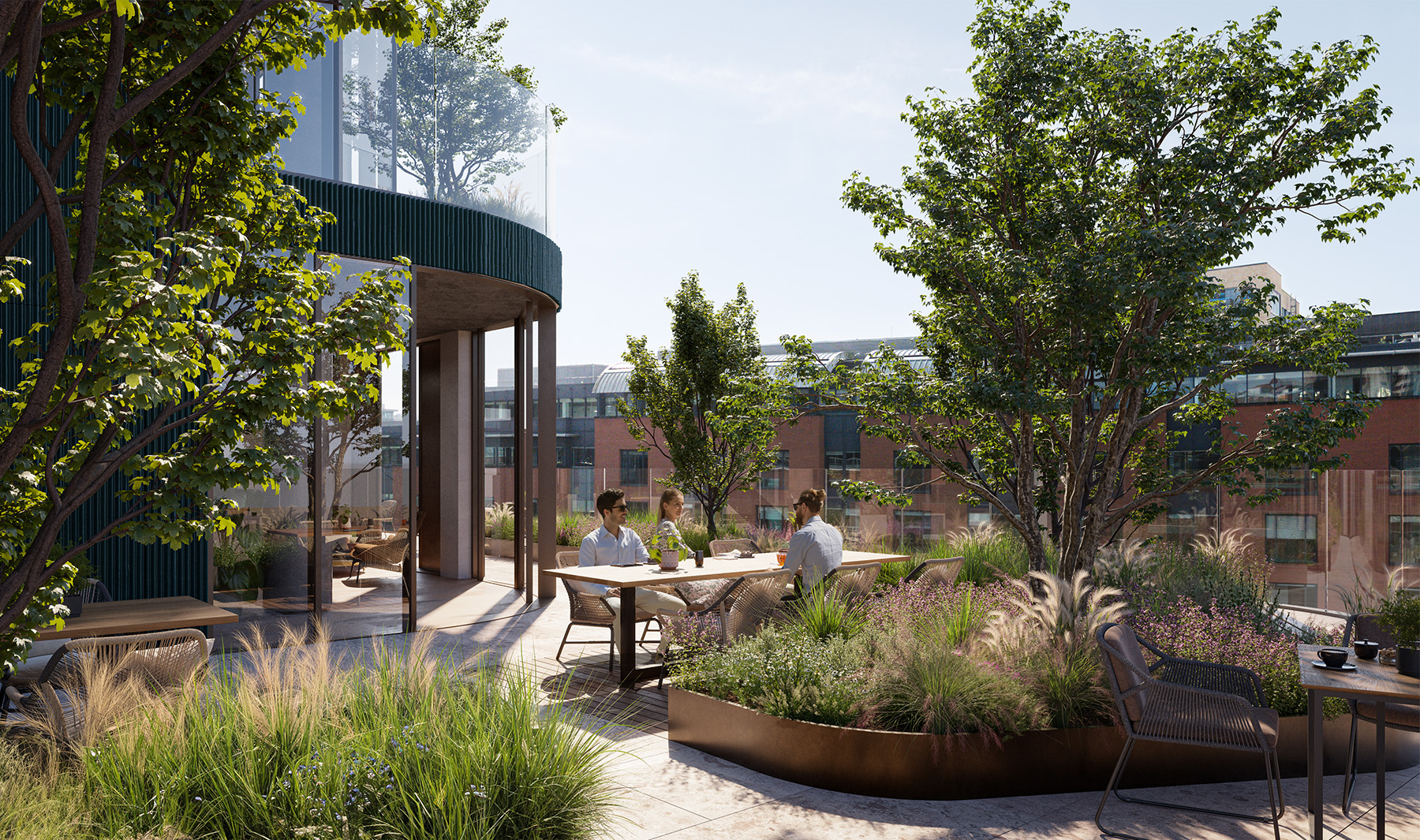
When many of us think of the places that make us happiest in life, it is often a ‘landscape’ – perhaps a beach or a mountain, a forest or our own gardens - somewhere beautiful, perhaps peaceful or buzzing with activity – so why shouldn’t we make the places we spend most of our days – at work or living in a city – take on some of the same qualities of the spaces that we love the most?
We are all aware that climate change is one of the defining challenges of our age. As landscape architects, we know that we are in a very privileged position to be able to address some of these challenges through landscape design, by creating resilient, connected places where wildlife can flourish and with landscapes which educate and inspire those who use them.
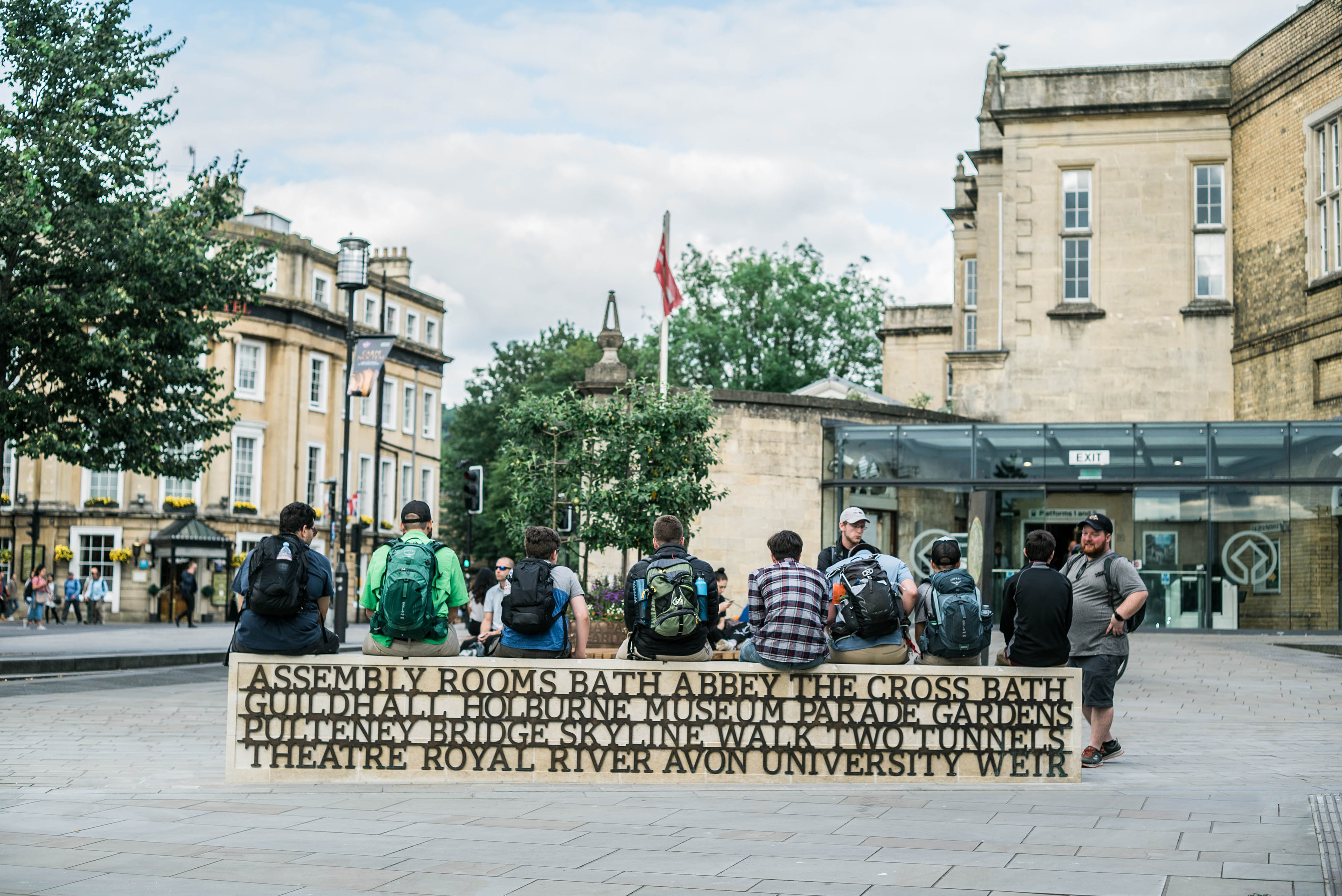
Integrated public art as social meeting spaces at SouthGate in Bath (British Land / AVIVA)
What are the key landscape design moves you think make the biggest difference to projects?
Promoting activity and wellbeing is a big one for us – making sure projects are well-connected and accessible with a focus on pedestrians and cyclists as the priority. We encourage schemes to include a healthy provision of amenity spaces and provision for wellbeing – be it courtyards, roof terraces, public parks, flexible event spaces and play opportunities – all considered at the outset and built into the fabric of projects.
Roof terraces built into the fabric of the building at One Passage Street in Bristol (V7)
Connecting into wider landscapes and communities is key.
As Landscape Architects, the first step on all of our projects is to ‘zoom out’ – asking what’s around us, how do we fit in and how can we improve things for the wider area? In many ways, our job is to connect the dots – by creating spaces for surrounding communities to gather, using local materials and craftsmen, encouraging joined up thinking on sustainable urban drainage and rain gardens, designing interconnected greenways and wildlife corridors and championing local public artists - making sure that what we do has a positive influence beyond our site boundary.
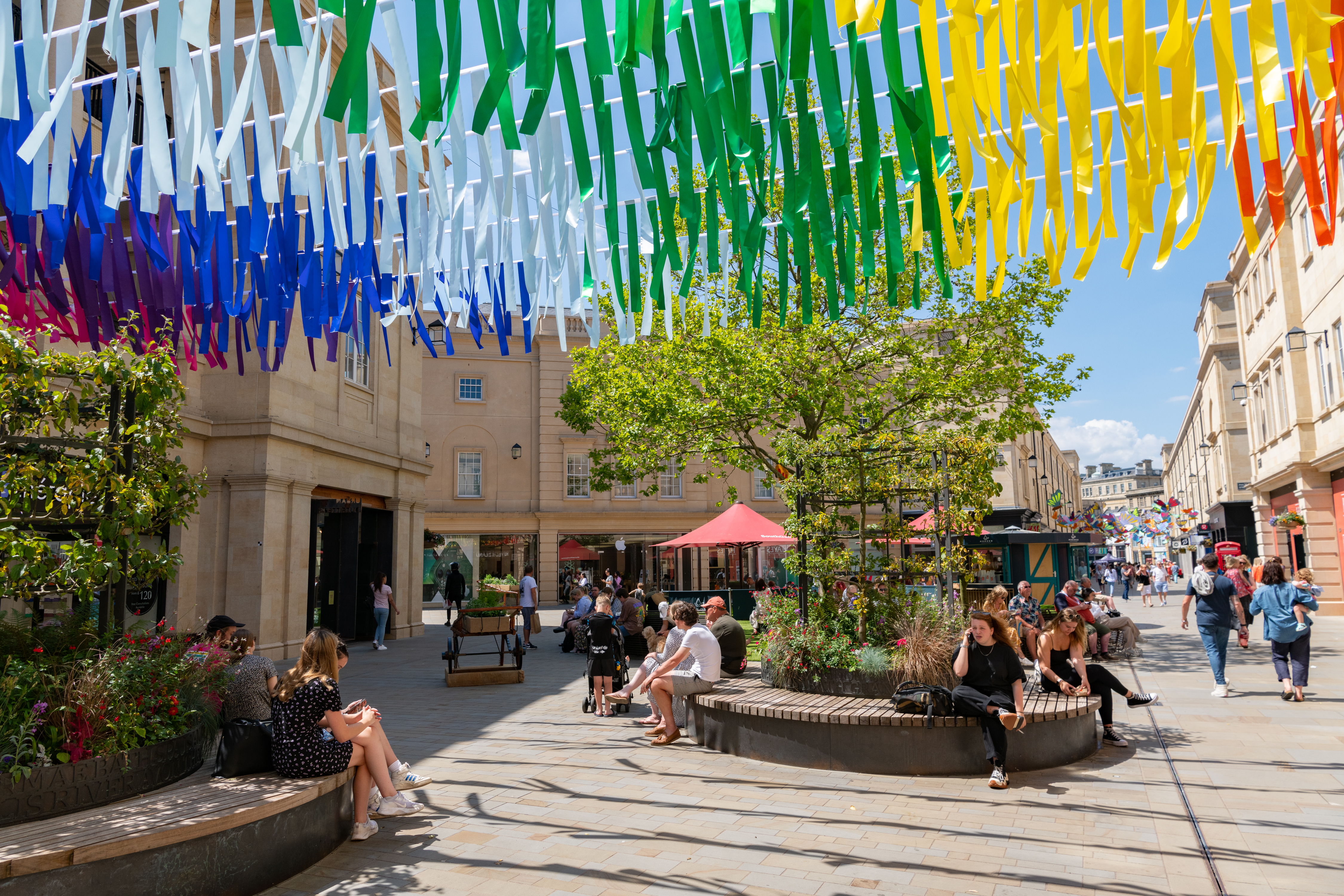
Flexible spaces for socialising, events and exhibitions at SouthGate in Bath City Centre
Making green (not grey) the norm. The greening of our cities has a significant role to play in mitigating against climate change, and in encouraging wildlife and pollinators back into our urban environments. New legislation on Biodiversity Net Gain and Urban Greening Factor has brought a much-needed boost to the status of biodiversity and greening, but with this comes a responsibility to avoid greenwashing and tokenism, instead looking at meaningful landscapes which truly improve conditions for the planet and people.
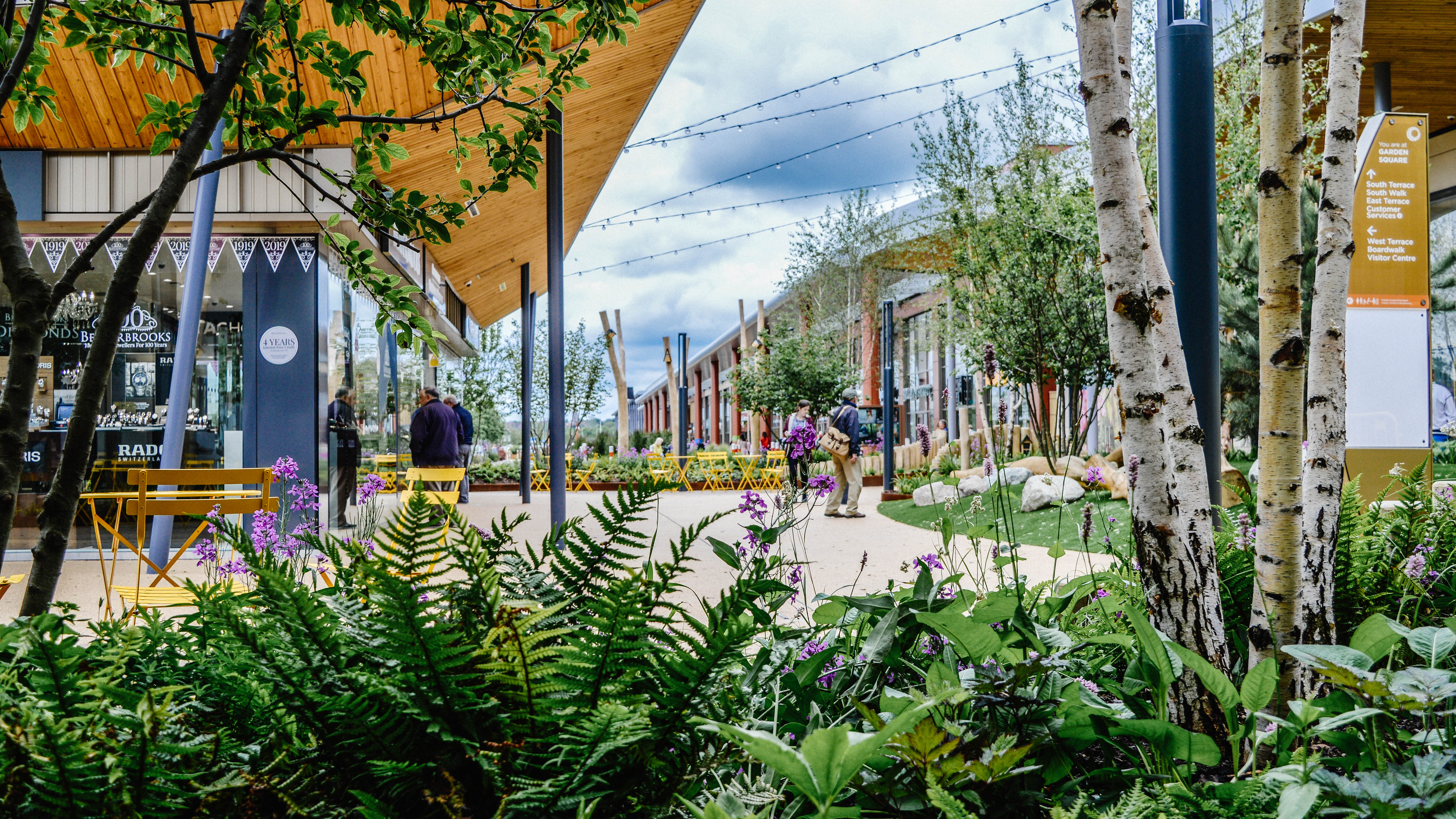
Playful green spaces at Rushden Lakes (The Crown Estate)
Gemma Griffin is a Director at Macgregor Smith, an award winning landscape architecture practice with a passion for creating imaginative and joyful spaces. As champions of urban greening, Macgregor Smith are striving to make our cities happier and healthier places in which to live.